6 Tips for a Successful Kitchen Garden
Follow these 6 tips for a successful kitchen garden that will provide fresh produce, flowers and herbs for your family!
What is a Kitchen Garden?
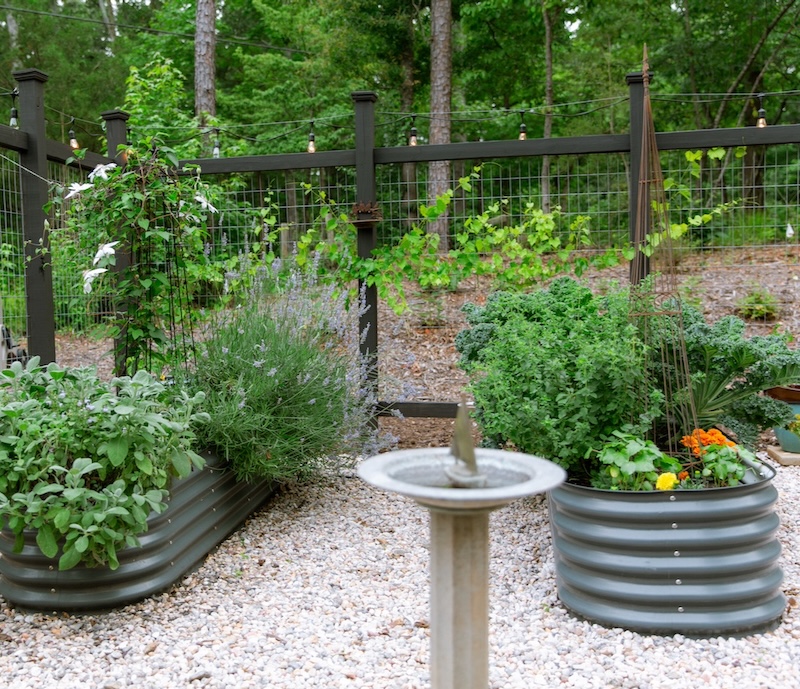
A kitchen garden is a small, often informal garden near a home where fresh edible plants are grown for household use. The focus is on growing herbs, vegetables, fruits, and sometimes edible flowers that are used in daily cooking. Kitchen gardens can range from a few containers or raised beds on a balcony to larger plots in the backyard.
Many of us love the idea of being completely self-sufficient and living off the land, but not everyone has the means to do so. We might be faced with limited space, time commitment, or funds. This is where a successful kitchen garden can truly shine.
A kitchen garden needs less tending than a huge vegetable garden with rows and rows of crops. It supplements your traditional grocery store needs with fresh homegrown food. A kitchen garden can be as simple as a single raised bed with some herbs or a larger enclosed garden area with multiple beds and a variety of vegetables and fruits.
Regardless of size or style, the following six tips will help you create a successful kitchen garden that you will enjoy for years to come.
Tip #1 Keep it Simple and Manageable
When designing your kitchen garden, keep it simple. It’s better to start small and add more plants later once you have a handle on your time and physical requirements. If you have too much to do every day, you might get discouraged and have a disappointing experience.
Too often, beginner gardeners will try to create the garden of their dreams and completely overwhelm themselves with the demands of weeding, fertilizing, pest control and disease problems. What happens? They quit and throw their gardening gloves in the air.
I live in a hot humid area in South Carolina. Summer gardening happens early in the morning before the sun is overhead and late in the evening if it’s cool enough. For me that’s about one to two hours of chore time in the morning. I have seven raised beds and a small orchard with 10 fruit trees. It’s a lot of sweaty work, but I knew that when I planned it and I am okay with it.
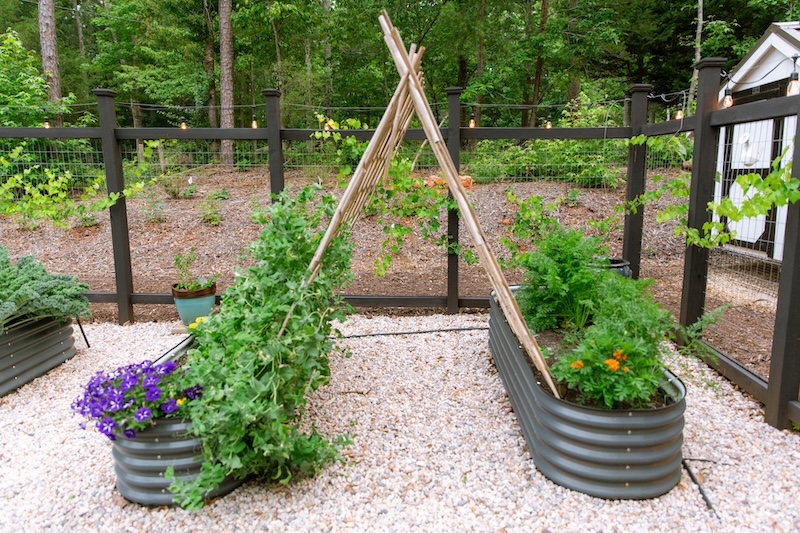
In addition to size, be aware of your plants’ needs. Some plants like cucumbers or snap peas require a trellis and training. Some plants like squash and tomatoes attract destructive bugs and have to be inspected multiple times a day. Some plants produce an abundance of food that will need to be properly stored or canned. All of these chores are manageable if you plan ahead and don’t overwhelm yourself.
Tip #2 Choose a Site Near your House
The second key to a successful kitchen garden is its location. Plant it where you can get to it quickly and easily. Not only is it better for retrieving fresh herbs and other edibles, but also for keeping up with garden chores. Remember Tip #1! Overwhelming tasks equal failure. “Out of sight out of mind” also equals failure.
Choose a site that receives the proper amount of sunlight. The location should have access to plenty of sunlight (at least 4-6 hours a day), and good soil that drains well.
Unfortunately, my current kitchen garden had to be planted a short distance from our house because we live on a heavily wooded hillside with limited sun exposure. Therefore, when I’m in the middle of making dinner and need a fresh sprig of rosemary, I need to trek up the hill to cut some. It’s not ideal, but I have no other choice.
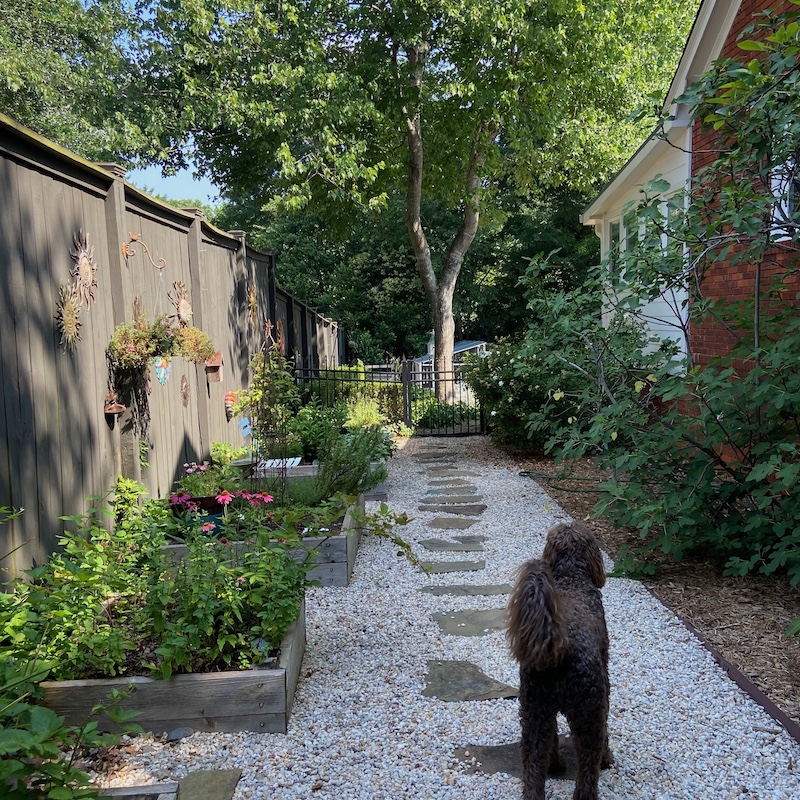
I plan ahead when I’m working in the garden during the day to cut some fresh herbs or veggies for dinner before heading back to the house. At our last house, the kitchen garden was in the side yard, and I could zip out the back door and cut what I needed quickly. That was ideal!
Update: I recently added an Herb Wall Garden on our deck which faces the sun for quick easy access! Read about my DIY process to make a hanging herb garden.

Tip #3 Use Raised Beds and Containers
A common feature of a successful kitchen garden is the use of raised beds and containers filled with compost rich soil. The height makes it easier to tend to the plants and to control what’s in bed. By that I mean the soil, weeds, pests, animals, etc. We have three dogs who like to potty in the ground beds. That’s a big no for my edible plants!
We also live in the woods with deer everywhere…hence the enclosed kitchen garden on the hill! Half the battle with growing healthy plants is the dirt. I like raised beds because I know exactly what is in there.
With a lifetime of gardening experience, I have made my fair share of mistakes or should I say “learning opportunities” and have several opinions about raised beds. Read The Pros and Cons of Raised Beds to find out what I’ve learned about materials, height, soil, and plant choices for raised beds.

Tip #4 Use a Watering System
In order to have a successful garden, your site choice should include access to water. Mother Nature will only do so much and sometimes nothing at all! Dragging hoses and buckets is no fun which leads us back to Tip #1 and keeping your garden manageable.
Use a watering system like drip irrigation or a sprinkler on a timer. Having this in place makes it so much easier to manage a kitchen garden. My husband and I travel more often now that our daughters are grown. I love it that I can travel without worrying about my garden frying in the South Carolina heat because I took the time to install drip irrigation in all of my raised beds.
I set the timer to days/ times/zones to water and let it do its thing. This has been such a game-changer for me as a gardener. My garden might look like a jungle when I return from a trip, but at least it’s still green and not brown!

Tip #5 Utilize a Compost System
If you want a successful kitchen garden, you have to have good soil. There’s no way around it, and that means compost.
Install a compost system near your garden. I’m always amazed at how many bags of debris I can take away from my kitchen garden after working in it.
Undesirable produce and anything with bugs goes to the chickens. They in turn add more fertilizer to their hemp bedding which ends up in the compost pile.
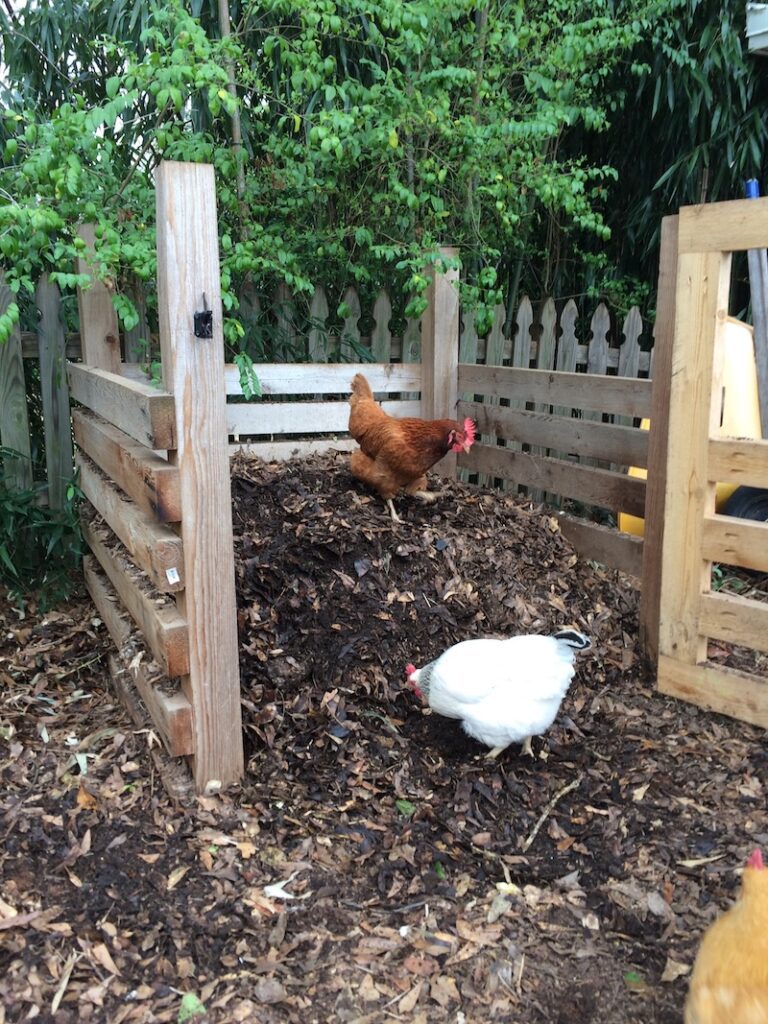
Clippings and dead plants all go into the compost pile. The chickens are a huge help when they climb into the compost heap and goof around. Scratching and turning the debris while adding more “material” to the pile, if you know what I mean!
Weeds and diseased material go into trash, not compost to prevent their spread.
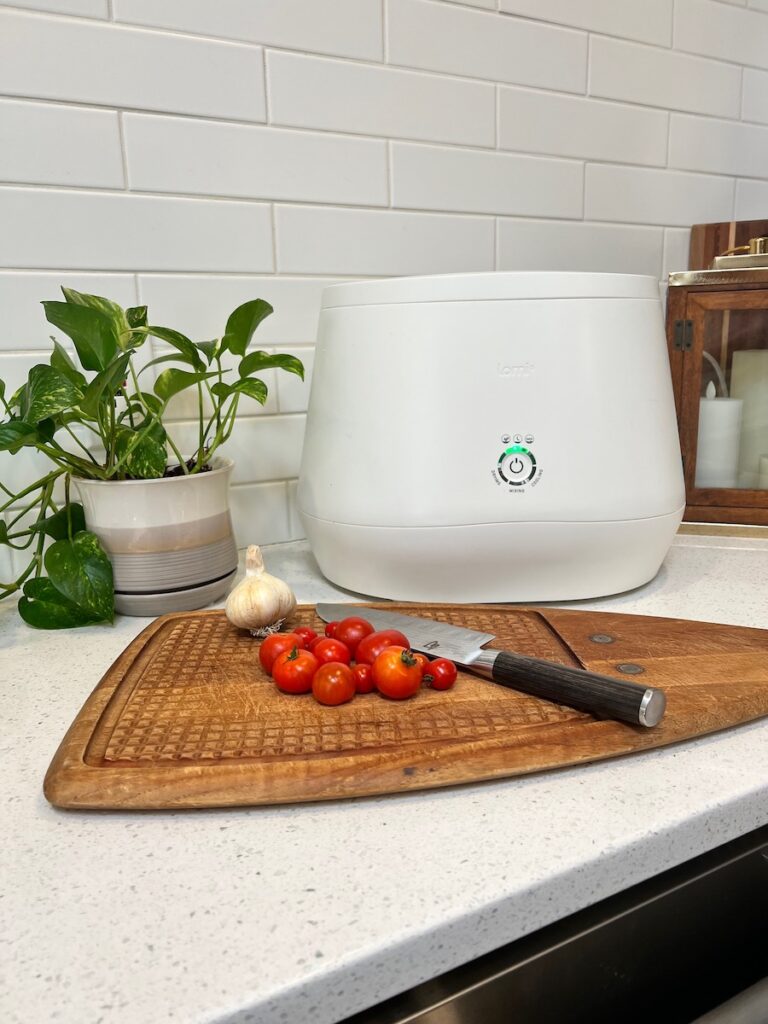
For trimmings and leftover greens in the kitchen, I use a Lomi, an electric countertop composter. This small overnight batch of compost is tossed into the outdoor pile to break down further. I love my Lomi! If you are short on space and want to add compost material to your garden, I highly recommend using one.
For an excellent easy to read guide about composting, read Let it Rot! by Stu Campbell. It’s a great place to begin.
Tip #6 Plant What You Will Eat
This might be the most important tip for a successful kitchen garden. Plant what you will actually eat. My first herb garden had every herb I could squeeze into it. I realized quickly that I basically use the same ones over and over again, and the others were taking up valuable real estate in my garden beds.
I once planted pineapple sage because I was intrigued by it at the nursery. It took over the raised bed I planted it in and I never used it. Not once. Lesson learned!
Favorite herbs in my kitchen garden:
- Sage
- Thyme
- Basil
- Oregano
- Rosemary
- Mint
- Parsley
- Dill (cool season)
- Cilantro (cool season)
Ginger Tip: Mint will grow EVERYWHERE if planted in the ground. Ask me how I know!
I only plant mint in containers and even then I keep a watchful eye on it. Sometimes a long stem will reach the ground, root, and send up runners. Be careful!
Favorite vegetables to grow in raised beds:
- Cucumbers
- Tomatoes
- Zucchini
- Yellow Squash
- Acorn Squash
- Okra
- Peppers (especially jalapeño)
- Lettuce (cool season)
- Arugula or rocket (cool season)
- Carrots (cool season)
- Kale (cool season)
Favorite edible flowers to plant in the Kitchen Garden:
- Nasturtiums
- Marigolds
- Pansies
Keep in mind the yield of each plant as well. If you want to make lots of blueberry jam, you will need several blueberry bushes, not just one or two.
At the other extreme, I planted six cucumber plants this season and I was up to my eyeballs in cucumbers! I love having them on hand, but we can’t eat them fast enough! I’ve been making lots of pickles and sharing with neighbors.

Be prepared to share with neighbors and to store what you harvest if necessary. This means having freezer bags and/or canning equipment on hand. A successful kitchen garden can supply you with a bounty of food–so be prepared!
If you are new to canning, I highly suggest purchasing the Ball Book of Canning and Preserving. It has everything you need to know. Also check out my post Apple Picking for Easy Homemade Applesauce. I detail all of the equipment I use and include links to find everything online to get you up and running in no time.
A well prepared garden will be a successful garden!
These 6 tips will ensure you have a successful kitchen garden and enjoy homegrown living!

For complete details, read about how we built a Deer Proof Enclosed Kitchen Garden.

For more inspiration, check out my blog post Six Ways to Create a Relaxing Garden.